Winter Houseplant Care: Adjust to the Room You Have
Indoor winter conditions can combine less daylight, heated air and cold window areas. Recheck the room instead of carrying a summer routine forward unchanged.
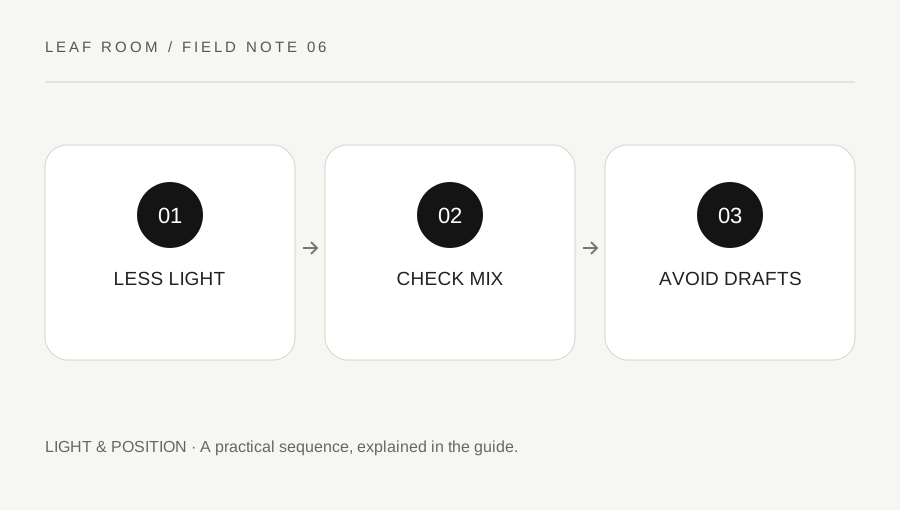
Original explanatory diagram. Numerical examples in this guide illustrate the reasoning; they are not a claim of hands-on testing.
Map the changed conditions
Notice how long the plant position receives useful daylight and whether curtains are closed more often. A plant close to a window may receive better light but also encounter cold glass or drafts. A radiator may create a warmer, drier pocket than the rest of the room.
Record the position at the times you actually use the room. A stable daytime temperature does not reveal what happens beside a window overnight. Consult the species temperature preference before putting a tropical plant in an unheated porch or moving a sun-loving plant into a dark interior corner.
Let observations change watering
With reduced growth and light, some plants dry more slowly. Check the mix and pot weight before watering and empty any collected drainage water. Do not assume heated air means that every pot needs more water; leaves and roots respond to several conditions together.
Keep routine care practical. Remove fallen leaves from the pot surface, inspect leaf undersides and gently clean dusty foliage using a method suitable for the plant. Avoid adding a collection of sprays, feeds and humidity devices without identifying what problem each would solve.
Plan one manageable adjustment
If the plant is stretching toward light, assess a brighter suitable position and introduce the change carefully. If the pot remains wet for much longer, review the watering decision and drainage. If damage appears only on the side touching cold glass, create safe separation and check nighttime conditions.
Use the log for three comparisons: last location, last moisture observation and new growth. A winter plan might simply be “check twice weekly, water only when indicated, keep foliage clear of the glass.” The check frequency is an organizational choice, not a promise that the plant needs watering at that interval.
Compare a heating-season week with your old routine
Choose one plant whose summer routine you remember. At the first winter check, record the location, whether heating is running nearby and how the pot feels. At later checks, compare the mix and pot weight rather than simply repeating the old watering day. If it takes longer to dry, that observation is a reason to reconsider timing.
Now inspect the window area after dark. Curtains, cold glass and an opened window can create a different microclimate from the warm center of the room. If you change the position, record both the light benefit and any temperature concern. A move to a brighter place should still fit the species’ requirements.
End the week with a short decision: keep the position, adjust it gradually, or investigate a continuing symptom. Do not force a conclusion from one leaf. Some seasonal changes are slow, and the useful comparison may take several weeks. Continue looking for healthy new growth and stable foliage. A record of conditions gives you a better starting point next year than a fixed winter watering rule copied from a different home.
A practical checklist
Tick items for your own use. This checklist is saved only in this browser.
Questions that come up
Do all houseplants stop growing in winter?
No. Species and indoor conditions vary. Base care on the plant’s requirements and observed growth rather than a universal dormant-season rule.
Does heated air mean every pot dries faster?
No. Root-zone drying also depends on light, plant growth, mix and container. Check each pot rather than inferring its moisture from room air alone.
Should I move plants every day to chase the sun?
Choose a suitable stable position where practical. Frequent changes make it harder to interpret growth and can create avoidable handling stress.
References & scope
Background references checked on 18 October 2026. The examples and practice exercises are original editorial explanations, not copied procedures or professional advice.