Yellow Houseplant Leaves: A Step-by-Step Observation Check
A yellow leaf is a symptom with several possible explanations. Check its pattern and the growing conditions before reaching for fertilizer or more water.
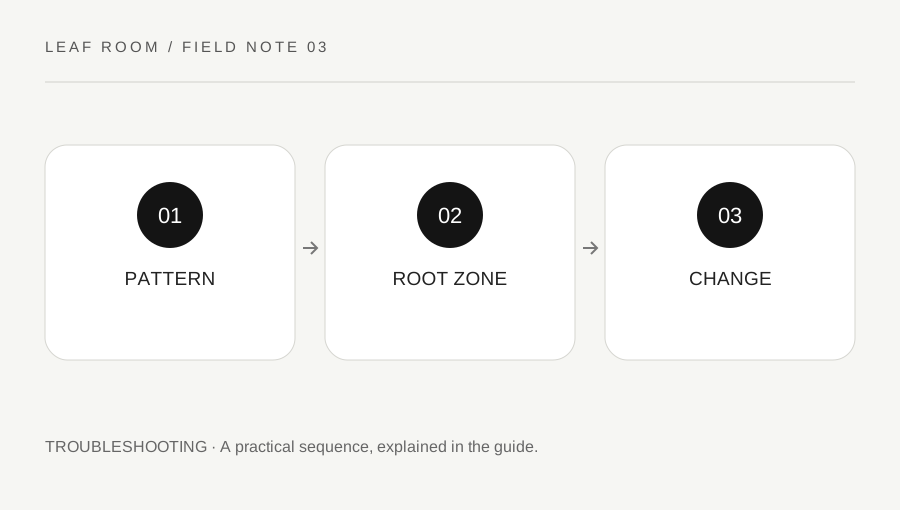
Original explanatory diagram. Numerical examples in this guide illustrate the reasoning; they are not a claim of hands-on testing.
Describe the pattern first
Record whether one old lower leaf is changing or many leaves are affected at once. Note soft stems, dry edges, falling leaves and any visible insects. Take a photograph in neutral daylight so color changes are easier to compare later. Natural aging can affect an older leaf, but rapid widespread change deserves closer attention.
Write down recent events: a new home, a cold trip from a shop, repotting, a different watering routine or a move away from a window. A sequence of events is more useful than a single symptom word. Avoid cutting every affected leaf immediately; it removes useful evidence and can unnecessarily reduce healthy foliage.
Check water and light together
Inspect moisture below the surface and look for water trapped in the cover pot. Both too little water and overly wet roots can be associated with wilting or yellowing. A plant in reduced light may use water more slowly, so an unchanged watering habit can become unsuitable.
If the mix is saturated, stop adding water and correct standing-water problems. If it is dry and the species needs watering, water and drain appropriately. Do not add fertilizer as a universal rescue treatment. Inspect the plant label or a reputable species reference before changing feed, compost or light.
Change one plausible cause
Make a short observation plan: what you suspect, what you changed and what you will inspect next. For example, if a cover pot repeatedly contains water, empty it and review drainage before changing fertilizer and location at the same time. Several simultaneous changes make it difficult to know which mattered.
Check for continuing leaf loss, new growth and changes in the root-zone moisture pattern. Isolate a plant with suspected pests while you seek an identification. If deterioration continues or roots are extensively soft and decayed, use a species-specific horticultural reference or local plant professional instead of repeatedly experimenting with treatments.
Turn a symptom into a short investigation
Suppose a plant has two yellow lower leaves after being moved to a darker shelf. The mix is still damp several days after the previous watering, and the decorative pot contains a little water. A useful working explanation is that the changed conditions and trapped drainage may be relevant. It is not proof that every yellow leaf has the same cause.
First document the leaf pattern and empty trapped water. Recheck whether the current location matches the plant’s light requirements. Decide which change is most urgent, record it and keep the rest of the care as stable as practical. Avoid feeding, repotting and applying a pest product all at once just because a leaf changed color.
At the next checks, ask whether new leaves are affected, whether the mix is drying normally and whether stems remain sound. A stable mark on one old leaf is different from rapid new damage. If you can see insects or the plant keeps deteriorating, take clear photographs of the whole plant and the relevant detail for a reputable horticultural identification service. Include the care history; a close-up without context can be misleading.
A practical checklist
Tick items for your own use. This checklist is saved only in this browser.
Questions that come up
Will a yellow leaf turn green again?
Often it will not. Judge recovery by stable foliage and healthy new growth, while investigating ongoing yellowing.
Should I remove every yellow leaf at once?
Remove fully deteriorated material as appropriate for the plant, but document the pattern first. Avoid stripping useful foliage simply to make the plant look temporarily tidy.
Does yellowing prove a nutrient deficiency?
No. Water, light, temperature, root condition and natural leaf aging can also be involved. Check the growing conditions before adding feed.
References & scope
Background references checked on 18 October 2026. The examples and practice exercises are original editorial explanations, not copied procedures or professional advice.