Christmas Cactus Bud Care: Keep a Stable Record of Light and Water
A Christmas cactus is a tropical plant with different needs from many desert cacti. Identify it properly and keep conditions understandable while buds develop and flowers fade.
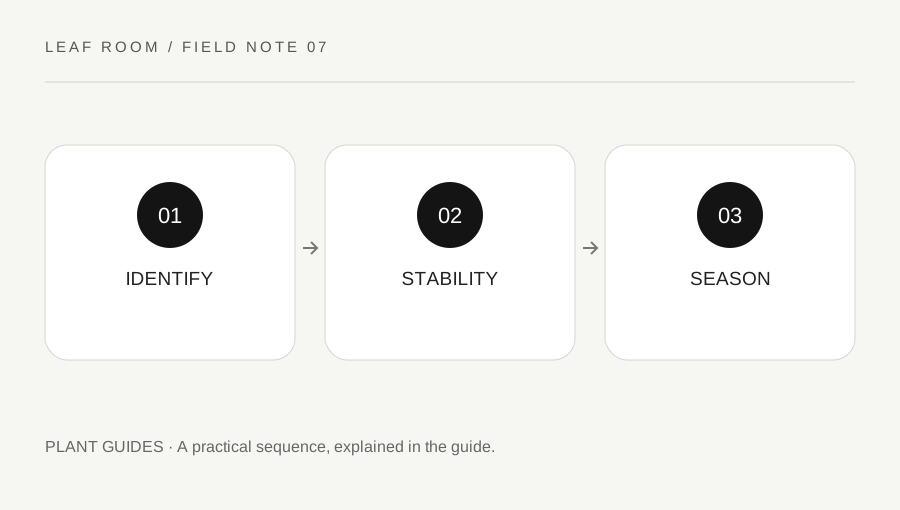
Original explanatory diagram. Examples illustrate a method or decision; they are not claims of personal testing.
Use the right cactus category
Plants sold as Christmas cactus belong to Schlumbergera and related named forms can flower at different times. Keep the label and use a suitable guide instead of applying a desert-cactus routine simply because the common name includes cactus. The RHS describes these as tender tropical plants for bright light protected from full sun.
Record the actual position, pot and current stage: vegetative growth, buds, open flowers or after flowering. This gives later changes context. A purchased plant may have been grown under conditions different from your home, so do not assume the display timing in the shop will repeat exactly. A reliable species guide is more useful than a promise tied to a holiday date.
Keep the root zone and position observable
Check the mix and drainage according to the plant's guidance, and look for water trapped in an outer pot. The plant's succulent segments do not mean it should sit in a wet container or be treated as if all moisture preferences were identical across cacti. Keep routine checks simple enough to maintain through the flowering period.
Avoid repeatedly moving the plant between sharply different light and temperature conditions just to improve its display position. If a move is necessary, record it and observe the result. Keep it away from damaging heat or cold and follow the identified plant's care requirements. Do not use extra feed as the first response to a few dropped buds without reviewing the recent conditions.
Work through a bud-drop record
Imagine a plant arrives with buds and is moved from a bright room to a dim warm corner for display. Some buds fall. The owner records the move, checks moisture and temperature conditions and reads the Schlumbergera guidance. They do not claim the move is proven to be the only cause, nor do they immediately add several treatments.
They choose a suitable stable position and keep other care decisions consistent, then note whether bud loss continues. This is an illustrative observation plan, not a guaranteed rescue method. Existing dropped buds will not reattach, so review ongoing condition and later growth rather than expecting the original display to be restored instantly.
Follow the seasonal plan for the identified plant
Read the reliable guide's instructions for growth, flowering preparation and aftercare, adapting seasonal references to your own conditions rather than copying a calendar without thought. A guide written for one climate can provide principles while the actual indoor temperature and light still need checking. Keep changes deliberate and record what you did.
After the display, retain a healthy plant and use appropriate care rather than assuming it is disposable. If segments become persistently soft, discolored or damaged, investigate with plant-specific help. Use clean tools for any advised pruning or propagation and check exact-plant safety information where relevant. The useful outcome is a manageable long-lived plant, with flowering observed honestly rather than promised on a fixed schedule.
Distinguish an aging flower from a failing plant
Photograph the whole plant as well as a close-up of any concern. A fading individual flower gives different information from widespread segment collapse or continued bud loss. Note which parts are changing and whether new growth appears healthy. This keeps the response proportional and makes a request for horticultural help easier to interpret. Do not remove every affected part before you have recorded the pattern, and do not keep an old flower's appearance as the only measure of whether the care routine is working.
A practical checklist
Choices are saved in this browser. Reset them here or clear this site’s browser storage.
Questions that come up
Should a Christmas cactus use a desert-cactus routine?
Do not assume so. It is a tropical plant group with its own care guidance.
Can dropped buds be restored?
No. Review the continuing condition and appropriate care rather than expecting fallen buds to reattach.
Will it always flower on the same holiday?
Do not promise exact timing. Plant identity, stage and growing conditions influence the display.
References & scope
Background references checked on 18 October 2026. Worked examples and diagrams are original teaching material.