Moth Orchid After Flowering: Keep the Plant, Review the Conditions
Finished flowers do not mean a moth orchid is finished as a plant. Identify Phalaenopsis, inspect its container and follow appropriate aftercare instead of treating every orchid alike.
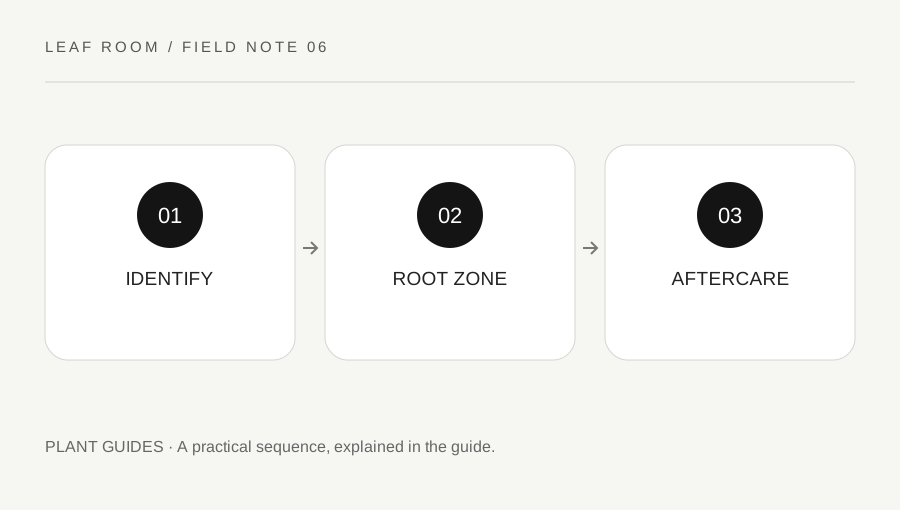
Original explanatory diagram. Examples illustrate a method or decision; they are not claims of personal testing.
Confirm that the guide fits your orchid
Keep the label and identify whether the plant is a moth orchid, Phalaenopsis. Orchids are a varied group, so instructions for one type should not be assumed suitable for every plant sold as an orchid. The RHS describes moth orchids as warm-growing houseplants that prefer bright light protected from strong summer sun and an appropriate open orchid growing medium.
Record the plant's existing leaves, flower stem and container arrangement. A decorative outer pot may hide a clear or ordinary nursery pot and collected water. Inspect gently without repeatedly removing or disturbing roots. The end of a flowering display is a useful time to understand the setup, not a requirement to repot, cut and feed the plant all at once.
Check medium, drainage and watering method
Use the identified orchid's guidance for its growing medium and moisture management. Moth orchids are not simply ordinary foliage plants in a decorative pot, and a bark-based orchid mix behaves differently from a dense general-purpose mix. Check drainage and keep the crown and surrounding surfaces handled according to reliable care instructions.
Do not choose a watering interval solely because a previous plant used it. Observe the actual medium, roots where visible and container conditions using a suitable method. Empty trapped drainage water. If the medium or roots appear persistently deteriorated, seek the relevant orchid guidance before attempting a rescue. Avoid household remedies and fertilizer concentrations that are not supported by the product and plant instructions.
Use a calm after-flowering example
Imagine the last flowers fall from a healthy-looking Phalaenopsis. The owner photographs the leaves and stem, confirms the plant identity and reads the specific after-flowering guidance before deciding whether a stem cut is appropriate. They keep the plant in suitable light and continue observation-based care rather than discarding it or forcing an immediate new bloom.
They record any cut, repotting or feeding change and watch new growth over time. The example does not promise a rebloom date or a result from a particular cut. Flowering depends on the plant and its conditions. A useful record keeps the expectation realistic and separates routine maintenance from a claim that one trick guarantees another display.
Make feeding and stem decisions from guidance
Use a suitable orchid fertilizer only as directed and in the appropriate growing context. More feed is not a substitute for healthy roots, suitable light and correct watering. Follow reliable Phalaenopsis guidance for the condition of the flower stem rather than applying one cutting point to every orchid. Use clean tools and handle the plant gently.
Keep an eye on continuing decline, not just the absence of flowers. Soft deteriorating tissue or a persistently unsuitable root zone deserves further attention. If asking for help, provide the plant identity, container and medium, recent care and clear photographs. The practical goal after flowering is a well-cared-for living plant, with the next flowering treated as an outcome to observe rather than a deadline you can guarantee.
Keep temporary display packaging from becoming the permanent setup
Gift wrapping, tight sleeves and decorative inserts can make drainage difficult to inspect. Check what surrounds the inner pot and remove or adjust only what is appropriate for the plant and safe handling. Make sure water is not trapped out of sight after care. Keep the plant label with your record even if the wrapping is discarded. Knowing the orchid type and actual container arrangement will remain more useful than remembering the color of its original display pot.
A practical checklist
Choices are saved in this browser. Reset them here or clear this site’s browser storage.
Questions that come up
Are fallen flowers proof the orchid is dying?
Not by themselves. Assess leaves, roots, medium and normal flowering life cycle using the correct orchid guidance.
Can every orchid use the same potting mix?
No. Match the medium and care to the identified type rather than the broad label orchid.
Will extra fertilizer force immediate flowers?
Do not use feed as a forcing shortcut. Follow the product and plant guidance and keep expectations realistic.
References & scope
Background references checked on 18 October 2026. Worked examples and diagrams are original teaching material.