A Peace Lily Is Drooping: Check the Pot Before Adding More Water
Drooping is a symptom that needs context. Inspect the mix, drainage and recent conditions before deciding whether a peace lily needs water or a different kind of attention.
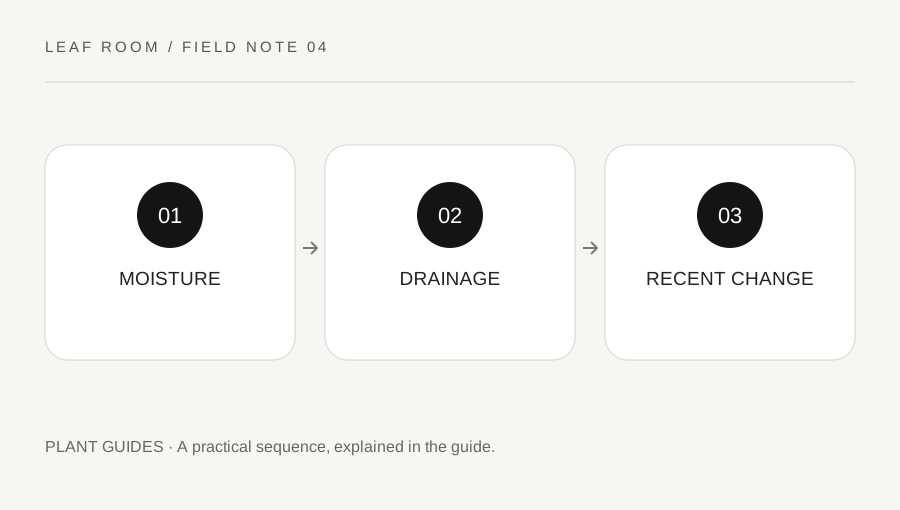
Original explanatory diagram. Examples illustrate a method or decision; they are not claims of personal testing.
Record the whole condition
Confirm the plant identity and look at the whole plant rather than one leaf. Note whether the change is sudden or gradual, whether leaves are soft or damaged and whether the pot has recently moved. Keep a photograph and a short history of watering, temperature changes and any repotting. These observations make the next decision more reliable than the symptom word alone.
The RHS describes peace lilies as warmth-loving houseplants for indirect light with moderate humidity. A radiator, cold draft or abrupt move into strong sun can change several conditions at once. Assess the actual position and avoid treating a room label such as bathroom as proof that every growing requirement is met there.
Compare the surface with the root zone
Check the mix below the surface where practical and learn the weight of the inner pot. Look inside the decorative cover pot for collected water. A dry-looking surface does not establish that the entire root zone is dry, and a drooping plant with wet roots should not automatically receive another drink.
If the plant's conditions indicate watering is appropriate, water the mix carefully and allow excess to drain. Empty collected water and protect nearby surfaces. If the mix remains unusually wet or the plant continues to deteriorate, review drainage and seek species-specific guidance. Do not add fertilizer as an all-purpose rescue response. It cannot replace a clear understanding of water, light and root conditions.
Work through two different pots
Imagine two peace lilies droop on the same day. One has a light pot and dry mix under conditions where its guidance indicates watering; the other has a heavy pot sitting in drainage water. The visible symptom is similar, but the next actions differ. The first may need appropriate watering and drainage, while the second needs the standing-water problem addressed and further assessment.
These are teaching examples, not diagnoses of a plant you have not inspected. Record the action and observe the response without repeatedly adding more water because recovery is not immediate. If the plant does not stabilize or develops soft decaying tissue, use reliable horticultural support rather than continuing a guessing cycle.
Track leaves and blooms separately
The white showy part of a peace lily bloom is not a permanent leaf color standard. Blooms age, while foliage condition provides different information. Use the plant's guidance to interpret normal aging rather than assuming every change means a new deficiency. Remove spent material only through an appropriate clean method and keep handling precautions in mind.
Keep the plant and cut material away from children or pets where safety has not been established for the exact plant. Follow reliable handling guidance and wash hands after care. Judge the next weeks by stable foliage, appropriate drying and healthy new growth. A useful routine is a series of observable decisions, not a promise that the plant will never droop again.
Avoid making the symptom a watering alarm
A dramatic droop can tempt an owner to use it as the only reminder. Instead, build a habit of checking the pot before severe stress becomes the regular signal. Keep the observations brief enough to maintain: mix condition, pot weight and the reason for action. If another person helps with care, give them those decision points rather than an instruction to water whenever leaves lean. This keeps the routine responsive to conditions while avoiding both neglect and repeated unnecessary watering.
A practical checklist
Choices are saved in this browser. Reset them here or clear this site’s browser storage.
Questions that come up
Does drooping always mean the plant is thirsty?
No. Inspect moisture and drainage before adding water. Similar symptoms can occur under different root conditions.
Should fertilizer be the first rescue?
No. Review the growing conditions and identified plant guidance before changing feed.
Will every old damaged leaf recover?
Do not expect old damage to disappear. Watch stabilization and the condition of new growth.
References & scope
Background references checked on 18 October 2026. Worked examples and diagrams are original teaching material.